What’s the Difference Between Hydrogen Ceramic Tablets and Hydrogen Effervescent Tablets?
What’s the Difference Between Hydrogen Ceramic Tablets and Hydrogen Effervescent Tablets? A Comprehensive Guide to Two Popular Hydrogen Products
As people become increasingly focused on wellness and preventative health, hydrogen-rich water and hydrogen-related products have entered the mainstream. Among them, hydrogen ceramic tablets and hydrogen effervescent tablets have gained wide popularity for their ease of use and strong hydrogen-releasing capabilities. However, these two types of products differ significantly in principles, release methods, usage scenarios, and stability. This article provides a detailed comparison to help consumers and distributors make informed decisions.
1. Different Principles and Components: Material Technology vs. Chemical Reaction
Hydrogen Ceramic Tablets:
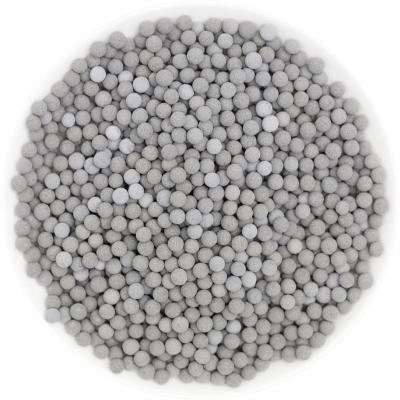
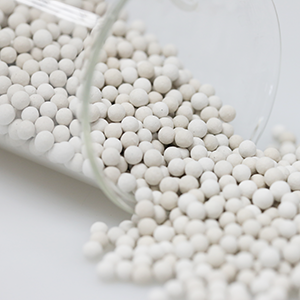
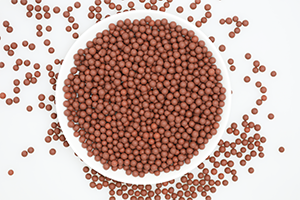
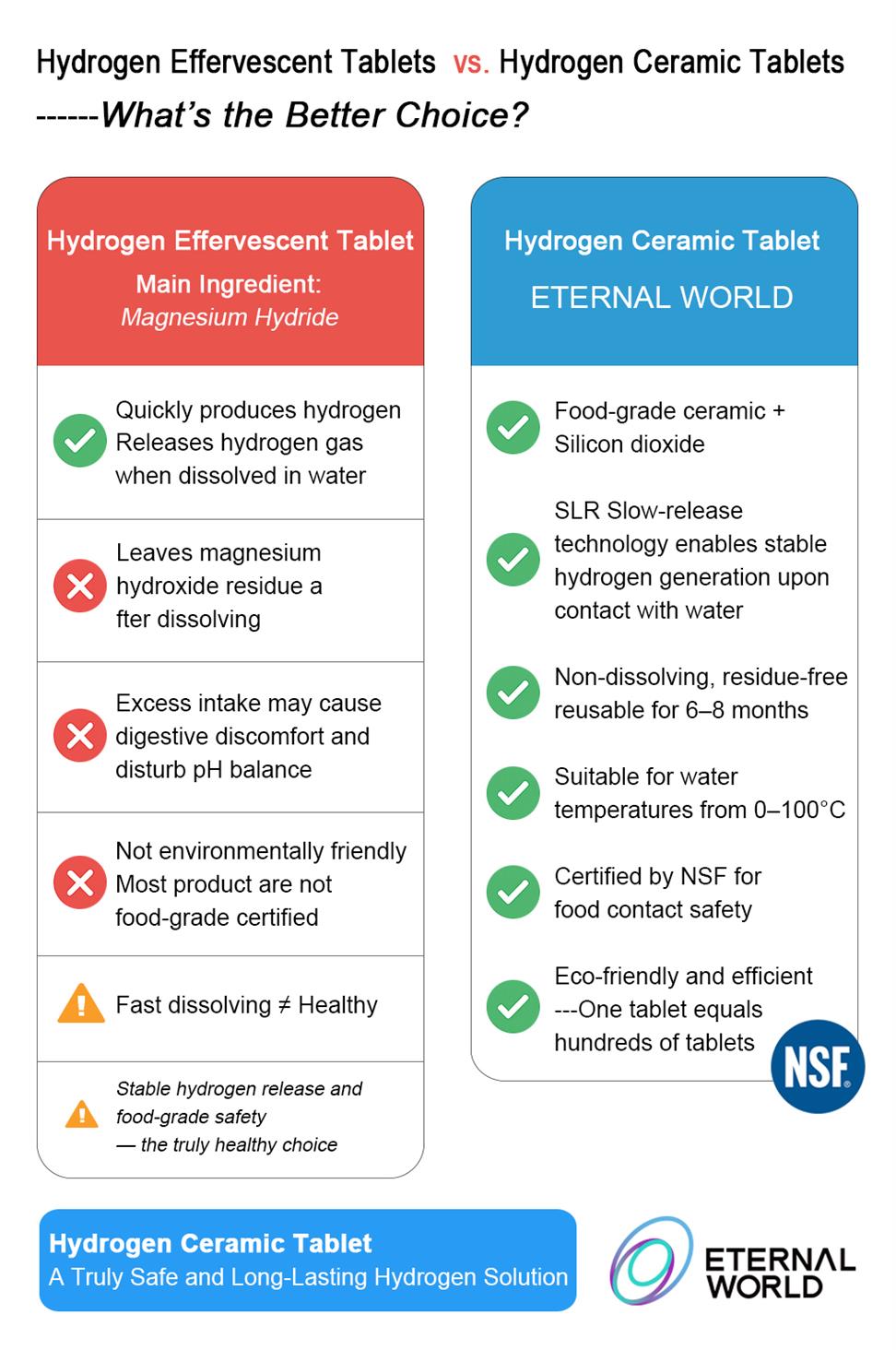
Hydrogen ceramic tablets are made by sintering natural minerals (such as zeolite, volcanic rock, or maifanite) at high temperatures and combining them with active metal elements like magnesium or calcium. These materials slowly release hydrogen through a non-chemical, physical process when submerged in water. Thanks to their porous structure and strong adsorption properties, these ceramics enable long-term hydrogen release.
Hydrogen Effervescent Tablets:
Hydrogen tablets are based on chemical reactions, typically composed of magnesium powder, organic acids (like citric acid), and carbonates. When dissolved in water, these ingredients react rapidly to produce hydrogen gas and carbon dioxide bubbles (effervescence). While they offer a quick burst of hydrogen, they are single-use and can vary in quality. Lower-grade tablets may leave residues or have an unpleasant odor.
2. Hydrogen Release Characteristics: Slow-Release vs. Burst Release
Hydrogen ceramic tablets provide a stable, continuous hydrogen release, often maintaining hydrogen concentrations in water between 200ppb and 800ppb. They’re ideal for daily drinking, tea brewing, bathing, and other long-term applications. A single tablet can typically be used for 3 to 6 months, making them cost-effective over time.
Hydrogen effervescent tablets, on the other hand, offer a rapid, high-volume hydrogen release—concentrations can exceed 1000ppb instantly. However, hydrogen levels drop sharply after 10–20 minutes, making it essential to consume the hydrogen water shortly after preparation. They’re not suitable for prolonged storage.
3. Differences in Application Scenarios: Long-Term Daily Use vs. Quick Consumption
| Feature | Hydrogen Ceramic Tablets | Hydrogen Effervescent Tablets |
|---|---|---|
| Usage Frequency | Long-term, reusable | Single-use |
| Hydrogen Stability | High, sustained over time | Low, fast dissipation |
| Ideal For | Daily hydration, tea, hydrogen baths, pets | Travel, gym, beauty spa, instant use |
| Cost | Higher upfront, more economical long-term | Low per use, higher cost over time |
| Environmental Impact | Recyclable, no chemical residues | Disposable, generates waste |
4. Safety and Compliance
Hydrogen ceramic tablets rely on natural minerals and physical processes, with almost no chemical residues, making them easier to pass international safety certifications for drinking water contact. High-quality tablets often meet standards like NSF, SGS, and RoHS, ensuring long-term safety.
Hydrogen effervescent tablets, although typically made with food-grade ingredients, may pose risks due to byproducts from chemical reactions or metal powder residues. Special care is needed when used by sensitive populations such as infants or individuals with gastrointestinal issues.
5. Market Positioning and Future Trends
Hydrogen effervescent tablets are better suited for entry-level markets and single-use convenience, such as fitness, travel, or spa applications. Meanwhile, hydrogen ceramic tablets are ideal for mid-to-high-end consumers seeking lifestyle health solutions, and are also widely used in hydrogen water pitchers, pet fountains, or even large-scale water filtration systems.
Businesses may consider combination strategies to cater to different market segments:
Use effervescent tablets to introduce new users to hydrogen health;
Guide loyal customers toward ceramic tablets for long-term use;
Employ ceramic-based products in commercial or institutional settings.
6. Conclusion: Different Approaches to the Same Goal of Hydrogen Wellness
Though hydrogen ceramic tablets and hydrogen effervescent tablets differ in many ways, they ultimately serve the same mission: to deliver the health benefits of molecular hydrogen. These two formats are complementary rather than competing, each with distinct advantages.
Whether you’re a consumer looking to improve your hydration routine or a distributor exploring product options, understanding the differences between these two product types is key to making the right choice. As hydrogen wellness technology continues to evolve, we look forward to seeing even more efficient, eco-friendly, and sustainable hydrogen solutions emerge to support healthier living.